

2·
20 hours agoStill reading “The Wind-Up Bird Chronicle” by Haruki Murakami. I’m 2/3 of the way through it now and I hope to be close to 3/4 in the next few days.
Still reading “The Wind-Up Bird Chronicle” by Haruki Murakami. I’m 2/3 of the way through it now and I hope to be close to 3/4 in the next few days.
I hope to read through Kafka on the Shore soon, so I’m not reading anything past the spoiler mention in your post, but I don’t think you should force yourself to read something you don’t want to read unless you really have to, or if you can see a positive in finishing it i.e. it’s a difficult read for you and finishing it will make you a stronger reader, which is something you want.
My AP Lit teacher said Gravity’s Rainbow was the most difficult book he ever read, and he highly recommended it. I’m terrified to try and tackle it, but I hope to do so one day. I’m going to focus first on some classics after I’m done with my current book.
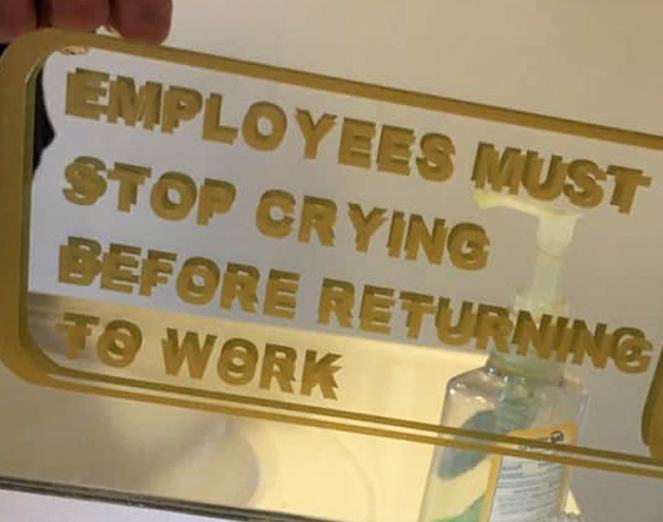
Bare minimum would have been not pulling her over in the first place, or giving a warning. I’ve encountered cops in the past that ticketed me for things that I found out later I should not have been ticketed for, and they were dicks while they did it.
This wasn’t the bare minimum, and they didn’t abuse their power. Definitely wasn’t a “bad cop”.
Yeah I love it when he provides solutions.
Hard disagree. My wife was stopped due to expired registration on our car - My fault, long story. The cop gave her a fix it ticket. Nothing else happened. They’re a good cop, or at least they were in that moment.
You know what would have happened if they were a bad cop in that moment? She would have been deported for having brown skin.
Good cops don’t make headlines, but they exist, and I’m grateful for the good ones we’ve encountered.
That being said, bad cops can fuck right off.

The best way to reduce all the excess manufacturing for livestock is by not buying it their products. If it’s all about ROI for them, give them a reason to reduce their manufacturing with your purchasing power.
Well, one way in which we can help fight against climate change is by not eating meat or dairy products.
For anyone curious about the subject, there’s some good science backing that up, though the links I’m providing are lazy DDG searches, so if anyone wants to do it, they can probably find better sources out there with more information.
Going vegan, or at least mostly vegan, is the way to go. Can start with going vegetarian and at least swapping out meat sources. Alternative vegan protein sources
With that being said, I do not practice what I preach. I should, though.
Too many people here just blindly hating on Bernie and nitpicking how “Stalinism is technically incorrect”. Where’s the Trump hate? Bring some of that shit out. I’ll start.
Fuck Trump, MAGA, and their entire cult of personality.

Still enjoying it!